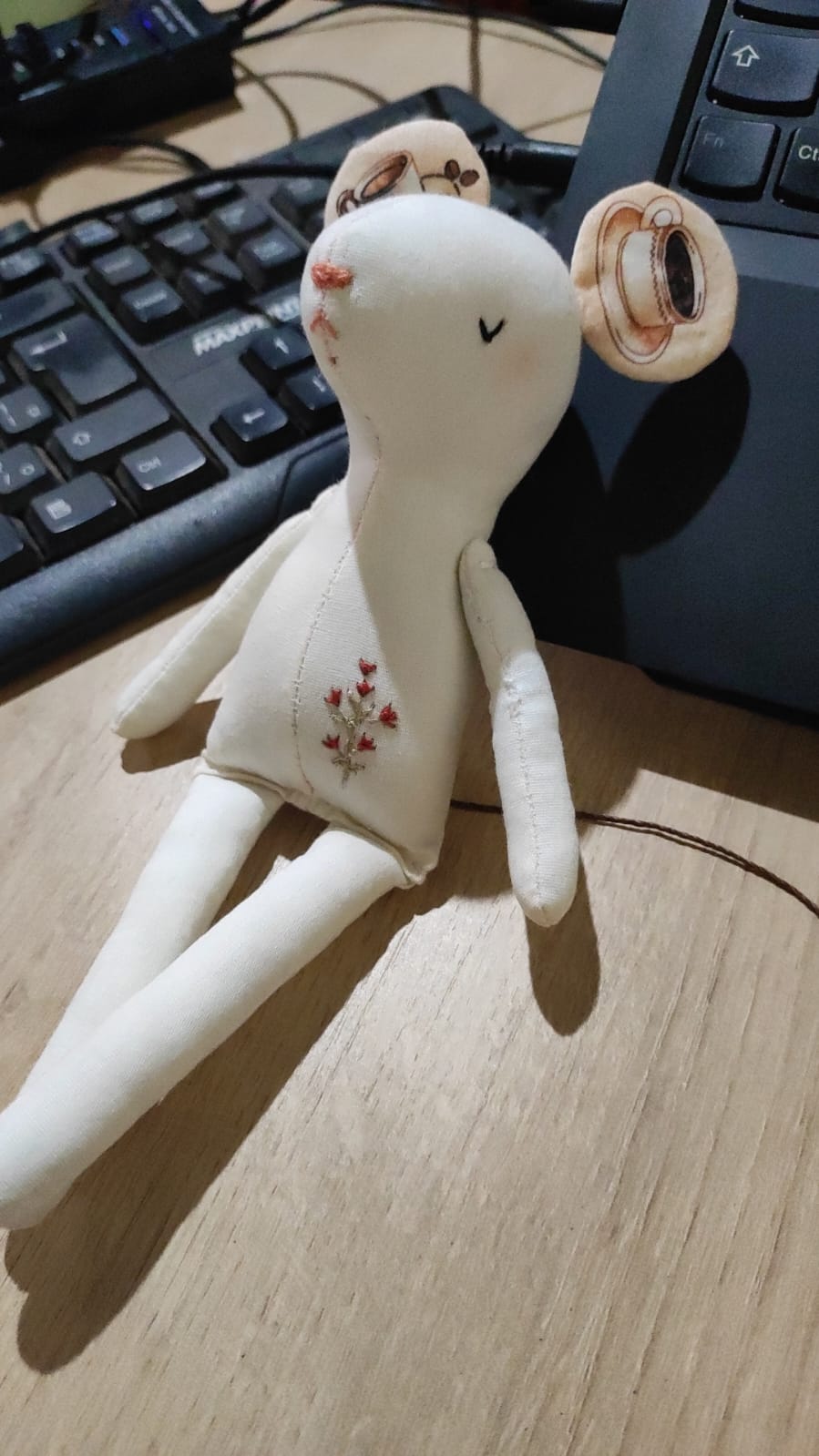
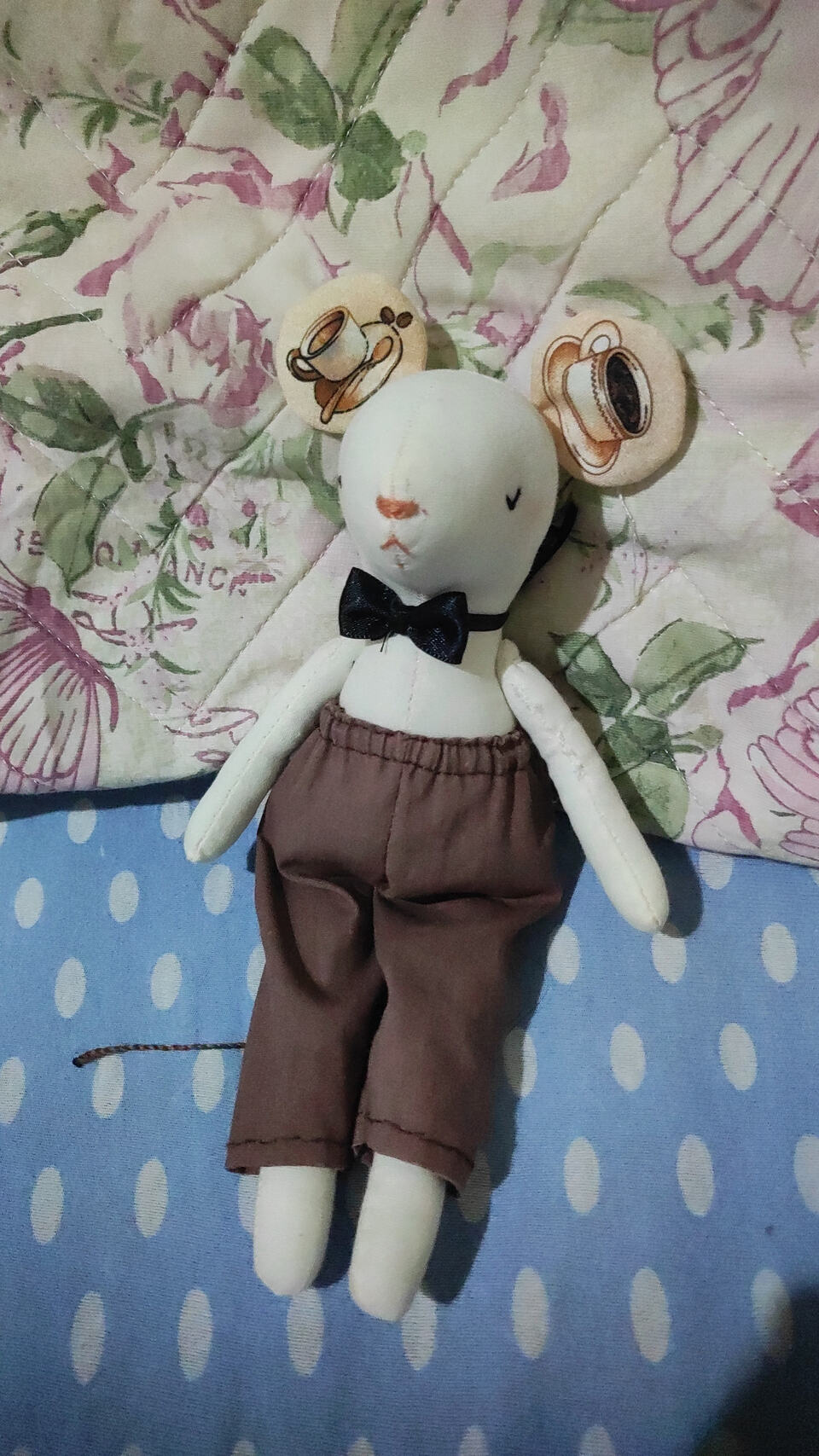
I’m kinda new:3

Ok so I’ve known how to do the basics of sewing for a while but have mostly just used it to mend clothing and make some doll clothing here and there. But recently I stumbled across some simple sewing patterns for plushies and I fell in love!

Anyway I was wondering if any of you more experienced with sewing ( pretty much anyone who’s been sewing for more than a month lol) could give me any suggestions like on what fabrics are best, where you get your fabric, what tools are essential and maybe any beginner patterns/projects.

Thanks for your time

-Aki:3

50 Likes

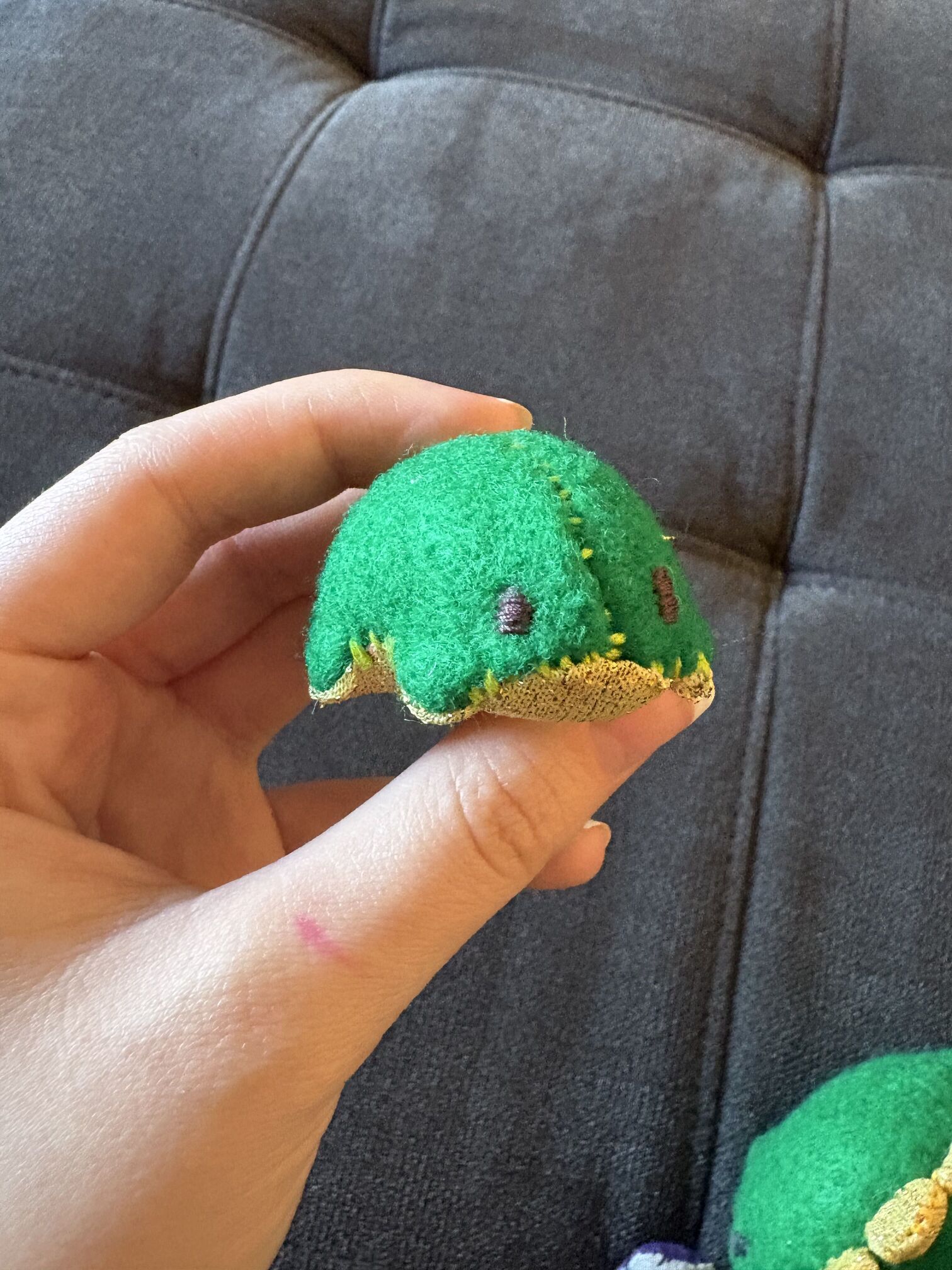
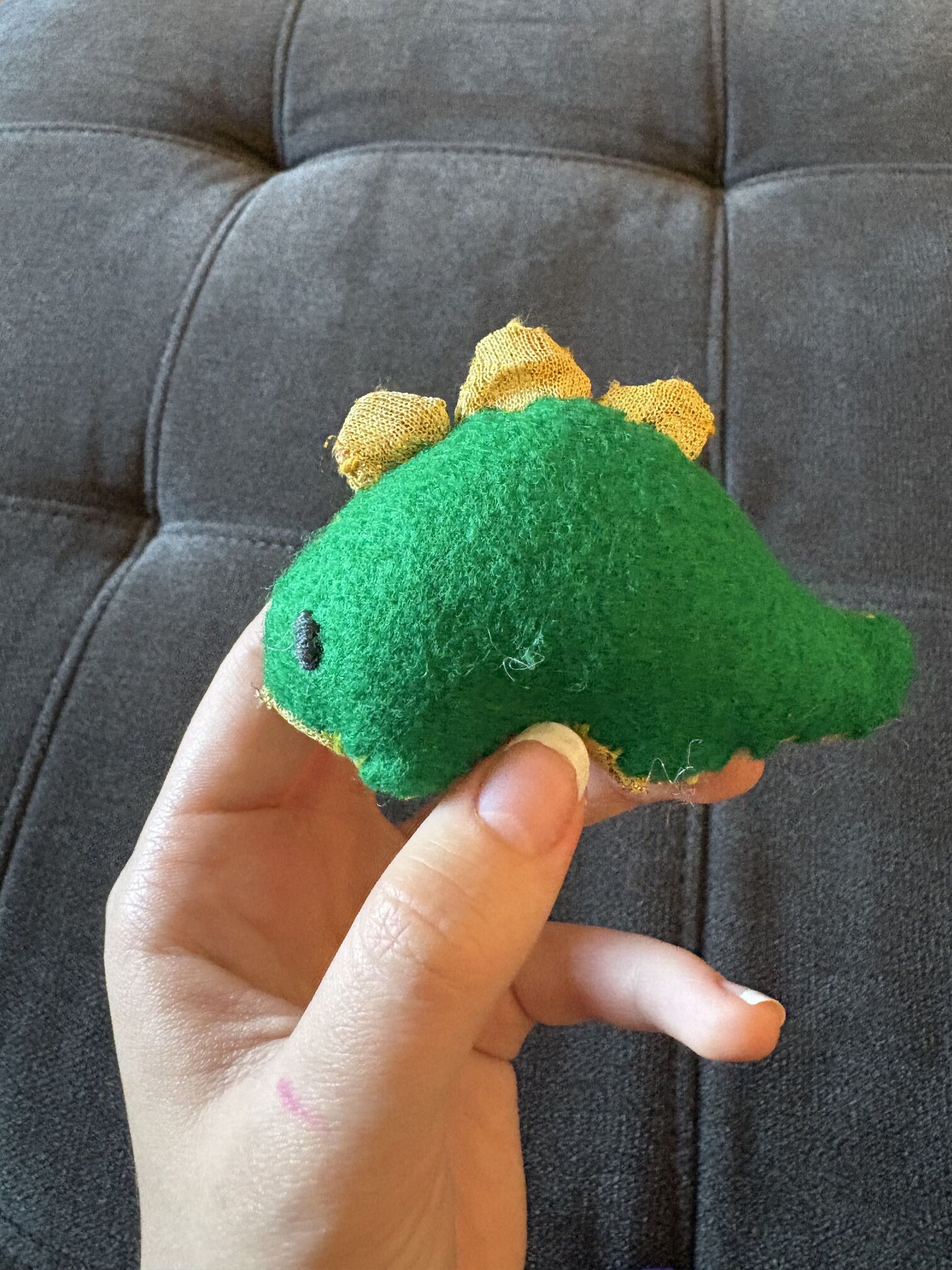
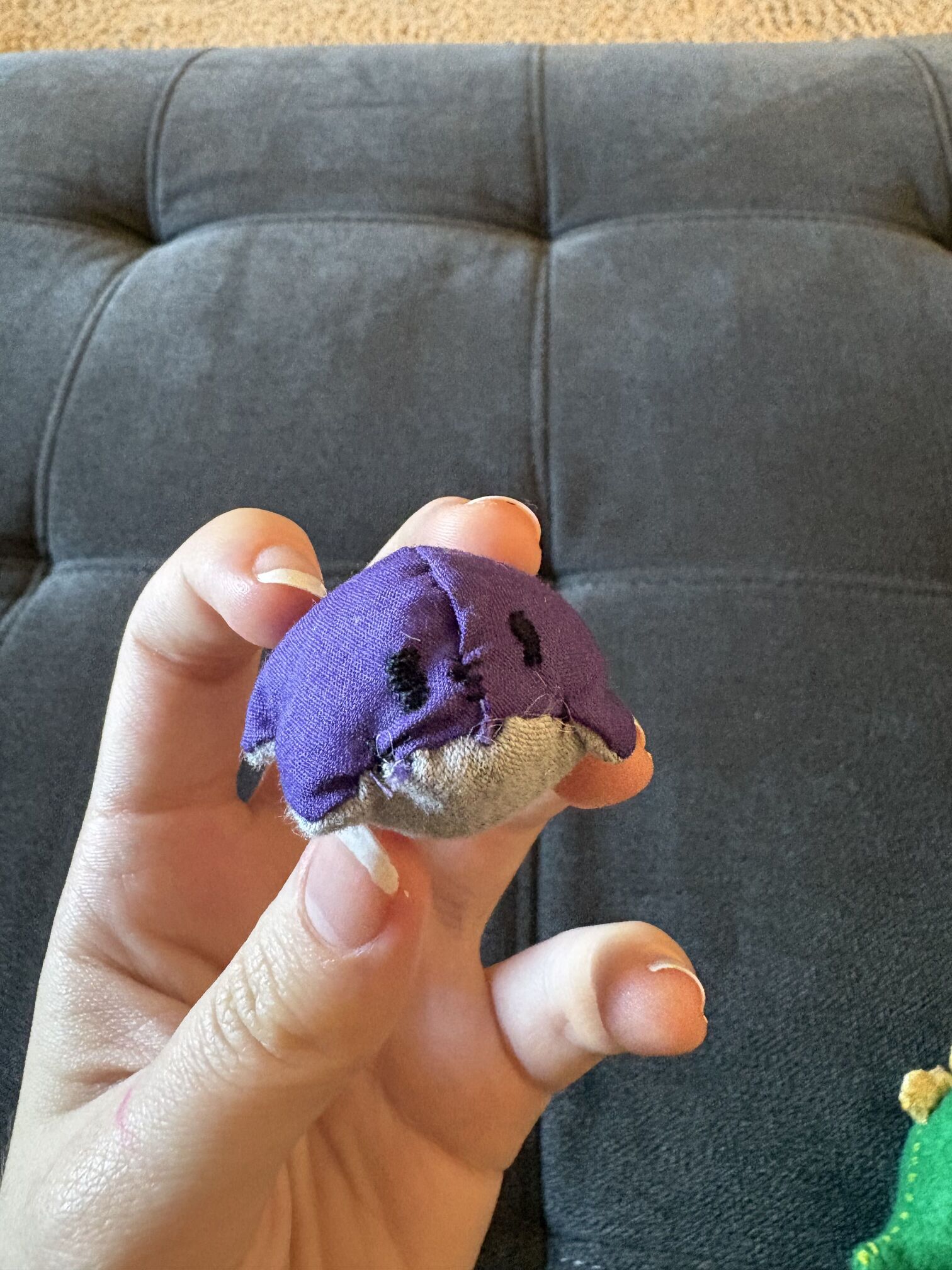
Oh and here are some of the things I’ve made in the past week

28 Likes

All I’d say is stay away from flannel (unless you find a really really good quality one) cuz it tends to fray like crazy and you can get holes in the seams if you pull on it.

8 Likes

Oh good to note!

3 Likes

I have some experience with sewing. I get my fabric off of Amazon. Thin cotton works well in my opinion.

Basically practice makes perfect.

Felt is also a common thing for sewing, and satin is alright.

6 Likes

That frog… I want to try…

I have only sewn a very basic egg with green spots once… I think my cat stole it..

6 Likes

I learned how to sew around 5 years ago, I mostly use it to create costumes, upcycle clothing, and fix small tears and such. Ever since Joann’s went out of business it’s been harder to find fabric, but I would suggest looking to see if there’s any fabric shops near you! if not maybe online retailers, amazon, or Michaels. Best fabrics for beginners I wanna say is cotton, they’re great for making anything, if you’re making clothes than knits and jersey, there a bit harder to sew with since they’re stretchy but The essential tools I would say are sewing scissors (obviously lol), seam rippers, pin cushion, pins, different needles based on the fabric you’re using.

As I was writing this I realized you may be speaking about Hand sewing which… I may or may not absolutely suck at Also the lil frogs and.. I assume a lil Dino are all so cute!!

3 Likes

I have a little more sewing experience than you, but I still have a lot to learn and would consider myself an advanced beginner… (I have just a lot of very ambitious projects planned, I am planning on making a corset soon for example wish me luck hehe)

Basically I am at the stage where I do know that there is a lot more to know that I thought there was to know and I can’t really give you any good advice. I DO know that Bernadette Banner has a really good video on her yt about fabric types and which you should (and shouldn’t) use as a beginner.

3 Likes

Those are so cute! Did you use a ribblr pattern? If so, could you let me know which one?

2 Likes

It’s fine I have a sewing machine too and am open to tips about anything ^^

3 Likes

I actually found the patterns on Pinterest but idk if I’m allowed to post them here so I can dm them to u if u want :)

2 Likes

Ummm, I’m kinda experienced at sewing, he he…! :two_hearts:
For the tools, I recommend having like this very long needle (mostly used for making dolls or if threading through a thick plushie)! :growing_heart:
Use more pins than you think you’d use! (The pieces just keep moving :sob:)
I recommend using cotton fabric, but felt is great! :growing_heart:
There is a problem with felt though… because of the fibres and all, it can get stuck in the sewing machine! :pensive_face:
But that may be just a me problem, he he…
Make sure the fabrics aren’t too thick, as it’ll break the sewing machine! :sewing_needle:
Draw about a 1 or 2 cm more than the traced pattern, just in case! :two_hearts:
YOU MUST HAVE A SEWING MACHINE!
IT WILL SAVE TIME!"

2 Likes

Ya I have a sewing machine and will use it when I have more fabric, I’m going to hobby lobby tomorrow and will probably look at some cotton and felt :3

1 Like

Ooooh nicee! :growing_heart:

1 Like

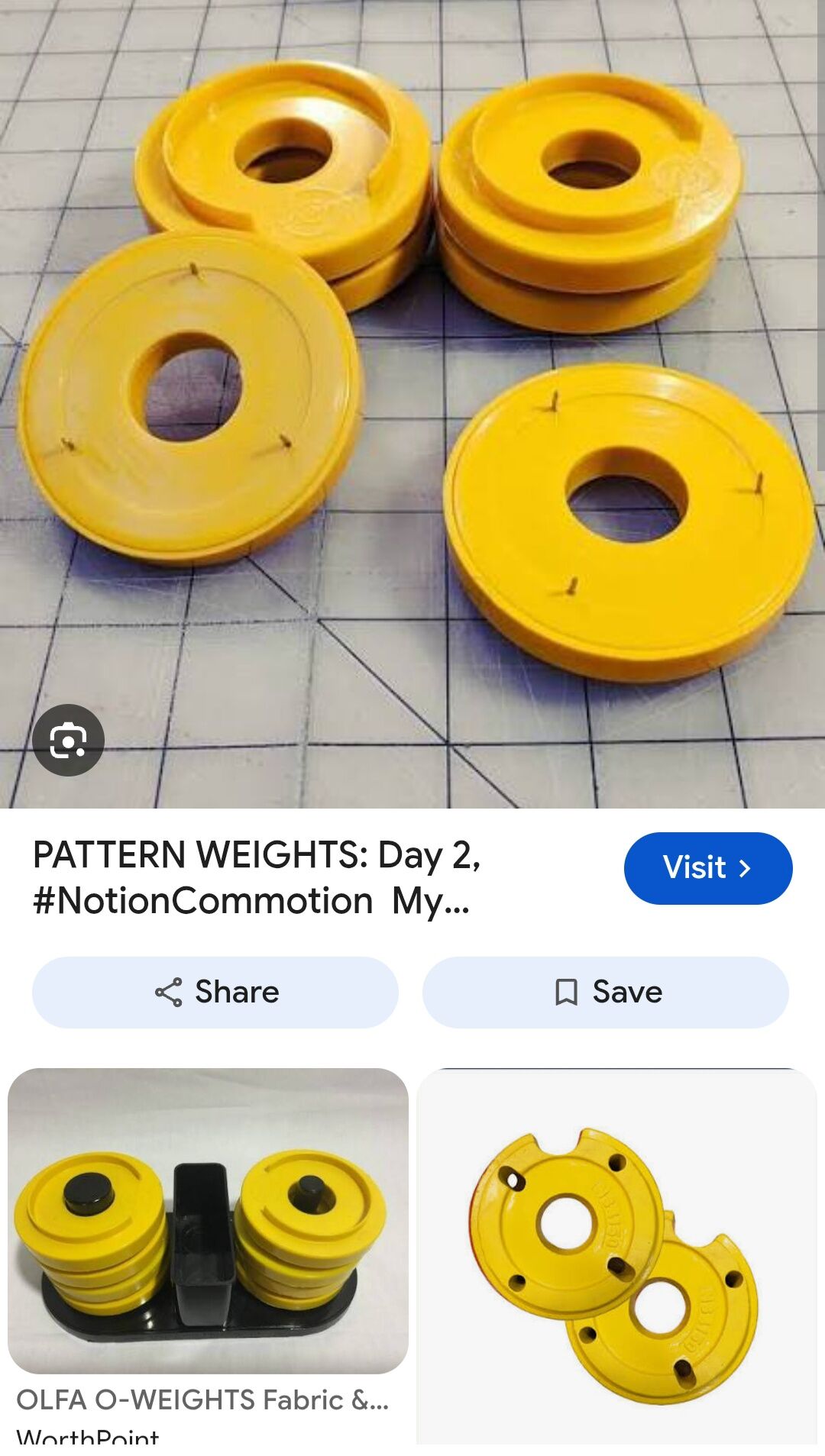
I agree with the above comments! Cotton is definitely the best for beginners. Also, make sure you have the correct sewing machine needle for your chosen fabric. For bigger pieces with straight edges, a clear sewing ruler and rotary cutter are useful. I have pattern weights that have little pins underneath that hold larger pattern pieces like this in place without having to use little pins.

2 Likes

I got sew excited, and then I realized you were hand sewing. My mom owns an alterations shop and I sew a lot. I do alterations as well as sewing from scratch. Depending on what you’re making depends on what fabric you want. Walmart sells fabric, but also some dollar trees have some small pieces that would be great for trying new things.

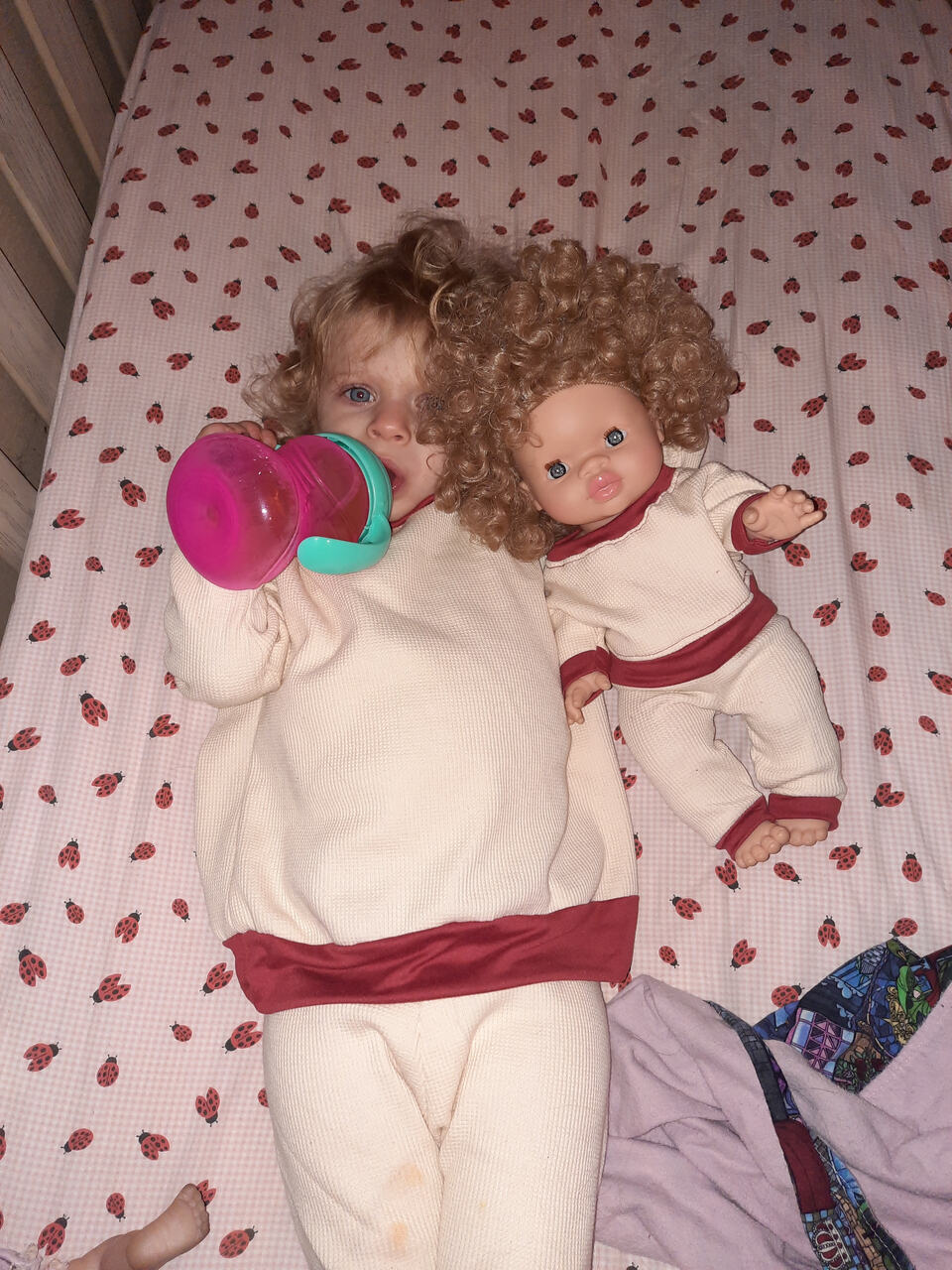
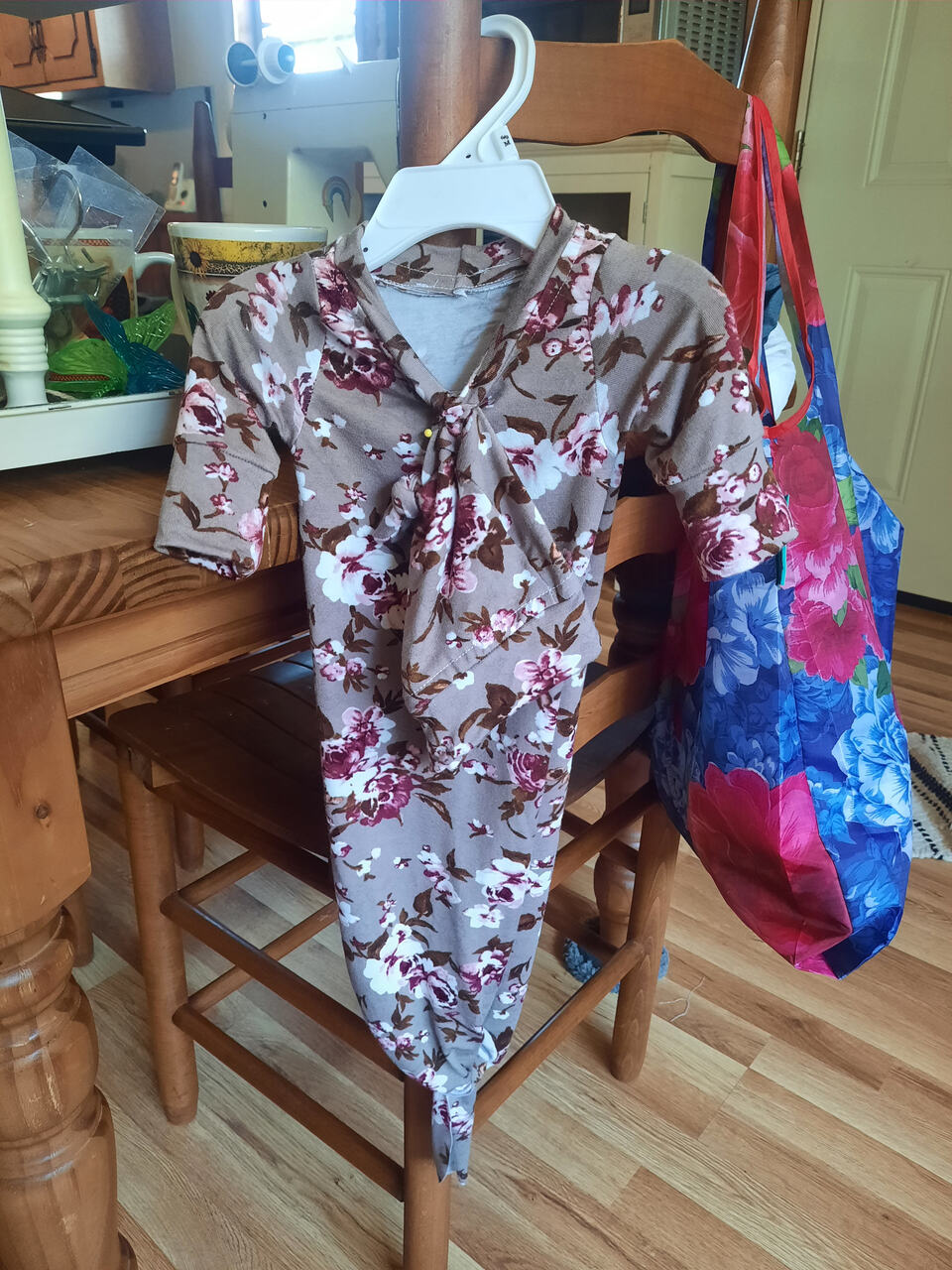
Here’s a baby gown I made last month, it has a hat with it :smiling_face_with_three_hearts: I might have chosen another photo as well lol

3 Likes

dawg those area adorable :sob:

3 Likes

YASSSS those look so goodddddd
I don’t really sew, my mom does all that! I think she gets a lot of her fabrics from Blue Moon Fabrics, but idk what all they sell lol

1 Like

You should learn the ladder stitch! I am not very tood at sewing but i still know a thing or two about it, and although the ladder stitch is still mostly used for mending i think theres ought to be a way to use it otherwise!

2 Likes

I also agree that cotton fabric is the easiest to start, and that you should use pins or even do a running stitch (basically a quick stitch just to keep something in place) to make your life easier when sewing

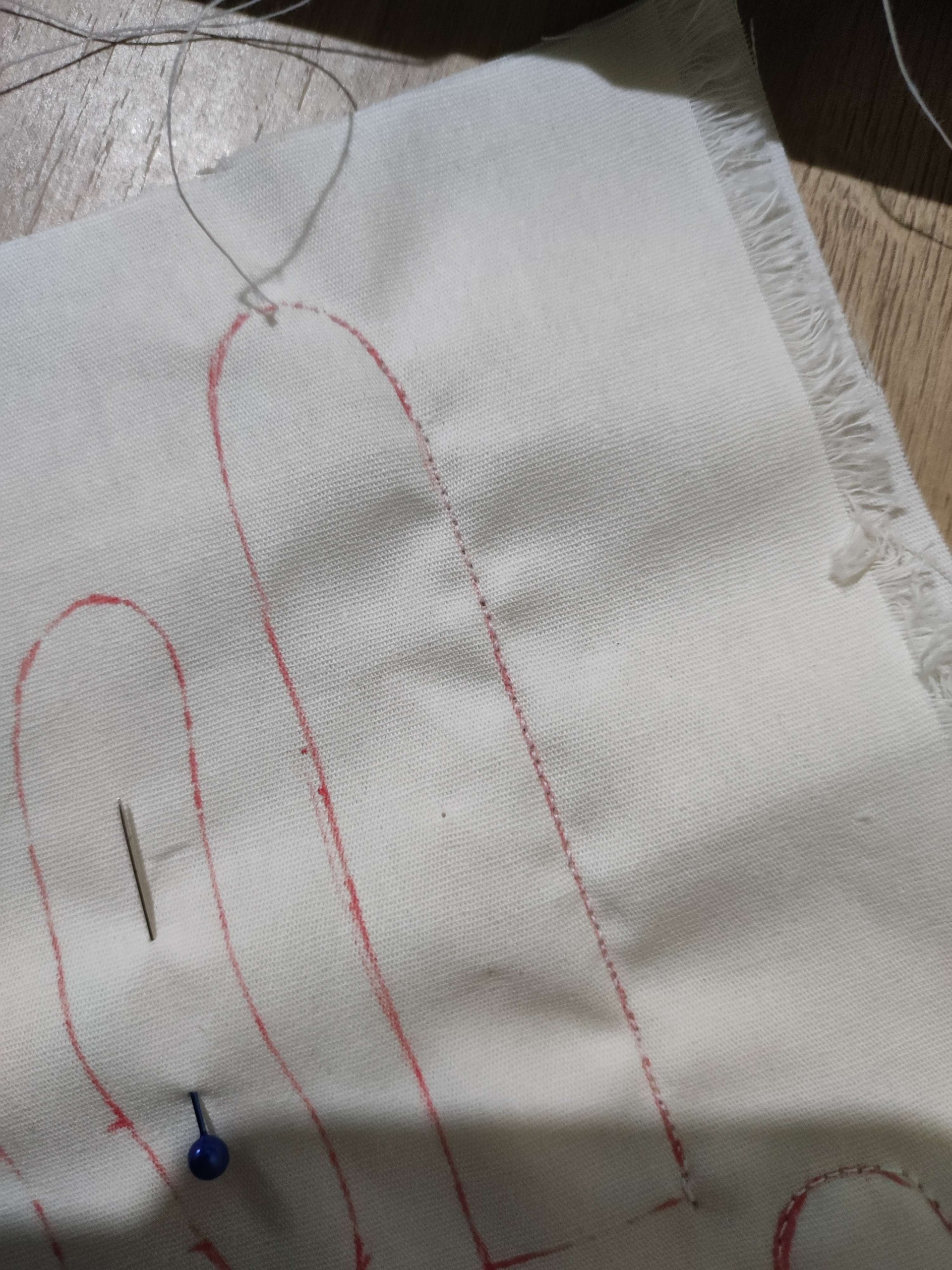
I like to hand sew (for me it’s easier than with a sewing machine :face_with_hand_over_mouth:), so I can only give tips about that. First of all, at least in my opinion, the most important thing is: make small stitches. Really, if the spacing is too big you might see holes when you stuff the piece, and the join will be more weak too.

example of a large spaced stitch and a more tight stitching

This one is a bit loose (by my standards!)

Tight:

Really small stitches!! I don’t know if it needs to be this small, but I feel like the smaller the better.

Since you want to make plushies, I think it’s important that you learn the ladder stitch so you can have a neat finish when you finish stuffing the plushie. Also, if you want to make something like I did, be sure to stuff the plushie firmly (you’ll use more stuffing than you think!) to make sure it doesn’t have creases or anything like that

When transferring patterns to the fabric, check if the pattern already has a seam allowance. The seam allowance is is important because the extra space keeps the fabric from unraveling easily if I remember correctly, and so it helps to keep the stitching secure.

If the pattern doesn’t, just add around 1/4 inch (I think this is the most common one for plushies) around the sewing line and cut there.

Also, on curved pieces of plushies, like around the curve of the head (if it’s round), or the bottom of the arms and feet (again, if it’s round), be sure to make small notches (if the curve is outward) or clip the fabric (if the curve is inward) so it doesn’t crease. The clipping/notching helps to reduce the fabric in that area so it’s more flat.
From my experience: notches also work on inward curves, but clipping doesn’t work as well on outward curves

like this

You don’t need to do this all around, just on the curves. I did it all around because I used zigzag scissors (I forgot the name) and so it was just easier like that

finished toy if anyone's interested

This one’s completely made out of cotton poplin (google translated that, might be wrong) because it’s what I had at the time

The pattern is from Make Your Own Animal Friends guide by Katia Ferris


I am a bit tired and sleep deprived as a write this, so there might be some confusing parts
My final tip is: watch YouTube tutorials/guided. Seriously, watching how something is made helps more than just seeing pictures in my opinion

1 Like